Choosing the right approach to heavenly light images unveiled starts with clear context, practical filters, and realistic expectations.
Introduction to Heavenly Light
Images of heavenly light have been a cornerstone of human expression, transcending the boundaries of art, religion, and culture. These depictions of divine illumination have captivated audiences for centuries, conveying messages of hope, redemption, and spiritual enlightenment. From the majestic stained-glass windows of medieval cathedrals to the modern digital artworks that adorn our screens, heavenly light continues to inspire and awe.
The Role of Light in Art In
the realm of art, light is not merely a physical phenomenon but a metaphorical tool that can evoke emotions, symbolize ideas, and create atmosphere. Artists have long exploited the expressive potential of light to convey the sublime, the mystical, and the transcendent. Consider the works of the Old Masters, where light is used to dramatize scenes, highlight the sacred, and create a sense of depth and volume. In contemporary art, the use of light has evolved, incorporating new technologies and mediums, yet the essence of its role remains unchanged – to inspire, to provoke, and to connect us with something greater than ourselves.
The Impact of Light on Composition
The strategic use of light in art composition can dramatically alter the viewer's perception, guiding their gaze, creating mood, and emphasizing themes. Artists may employ light to create contrast, to lead the eye through the composition, or to isolate subjects from their surroundings. The manipulation of light and shadow can also add layers of meaning, suggesting the presence of the unseen, the mysterious, or the divine.
Heavenly Light in Religion and Spirituality Images of
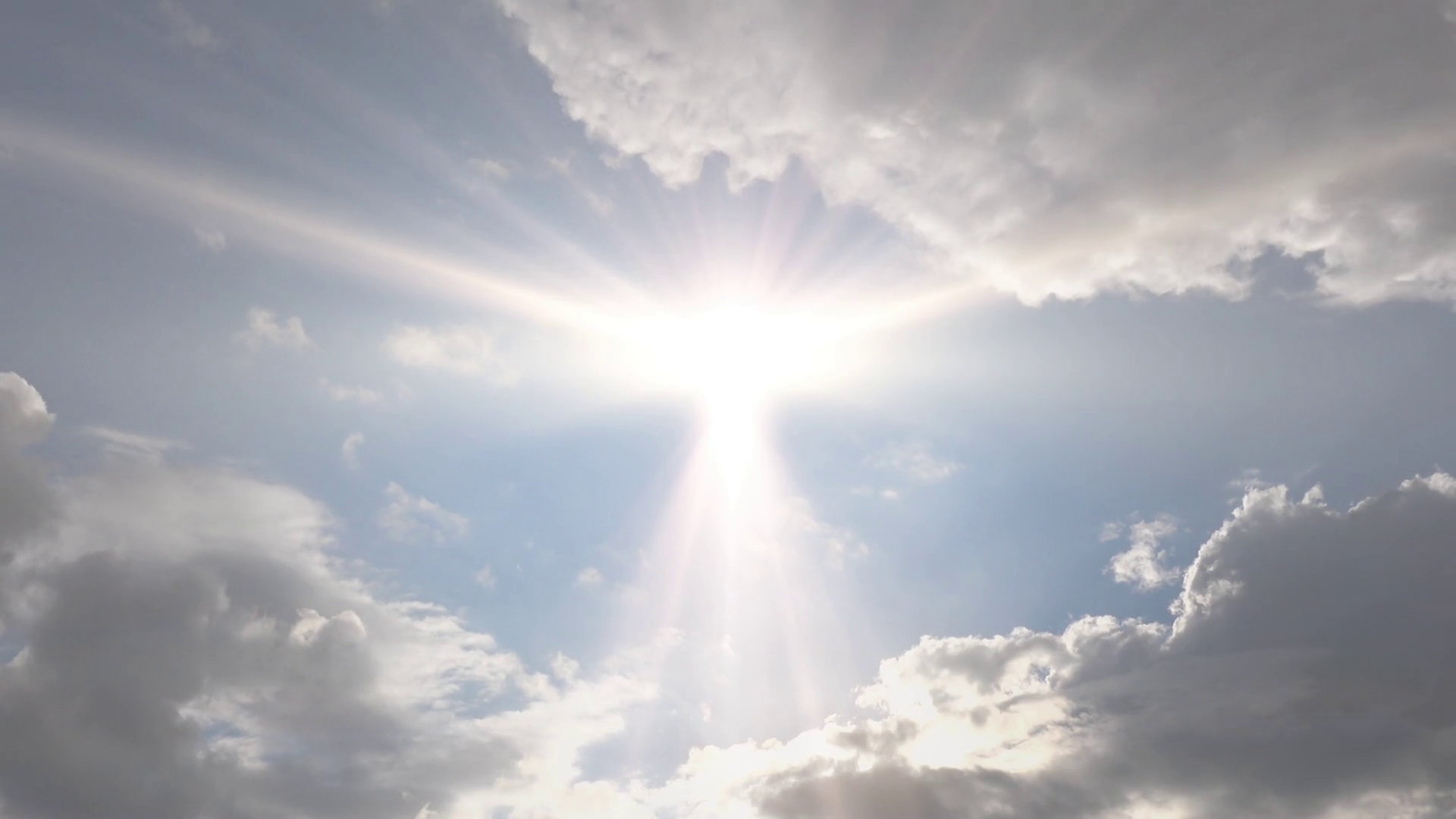
heavenly light are deeply intertwined with religious and spiritual practices, serving as visual representations of the divine, the sacred, and the infinite. In many faiths, light is considered a symbol of God's presence, wisdom, and grace. The use of light in religious rituals and ceremonies aims to create an atmosphere of reverence, to symbolize spiritual illumination, and to facilitate a connection with the divine. For believers, these images of heavenly light are not merely aesthetic; they hold profound spiritual significance, embodying hope, guidance, and salvation.
The Symbolism of Light Across Faiths
The symbolism of light is remarkably consistent across different cultures and faiths, highlighting the universal human quest for meaning, connection, and transcendence. Whether it's the light of the Torah in Judaism, the enlightenment of the Buddha in Buddhism, or the Holy Spirit in Christianity, light represents a bridge between the earthly and the divine. This cross-cultural resonance underscores the profound impact of heavenly light images on human spirituality, fostering a sense of unity and shared aspiration.
Practical Examples and Use Cases
The influence of heavenly light images extends beyond the realms of art and religion, permeating our daily lives in various forms. From the design of public spaces and buildings to the creation of digital interfaces and experiences, the strategic use of light can enhance ambiance, convey meaning, and influence behavior. For instance, the thoughtful incorporation of natural and artificial light in architectural designs can improve mood, boost productivity, and reduce energy consumption. Similarly, in digital design, the use of light effects and animations can guide user interaction, create engagement, and communicate brand values.
Tools and Software for Creating Heavenly Light Images
For those inspired to create their own images of heavenly light, whether for artistic expression, spiritual exploration, or professional projects, a variety of tools and software are available. Here are some options: - Adobe Photoshop: A powerful and versatile tool for editing and manipulating images, including those featuring heavenly light effects. - Blender: A free, open-source 3D creation software that can be used to model, animate, and render stunning scenes of divine illumination. - Lightroom: Specialized software for photographers, offering advanced tools for enhancing and manipulating light in images. - SketchUp: A user-friendly program for creating 3D models, which can be used to design and visualize spaces filled with heavenly light. - GIMP: A free and open-source raster graphics editor, similar to Photoshop, which can be used to create and edit images of heavenly light.
Common Mistakes and Workflow Tips
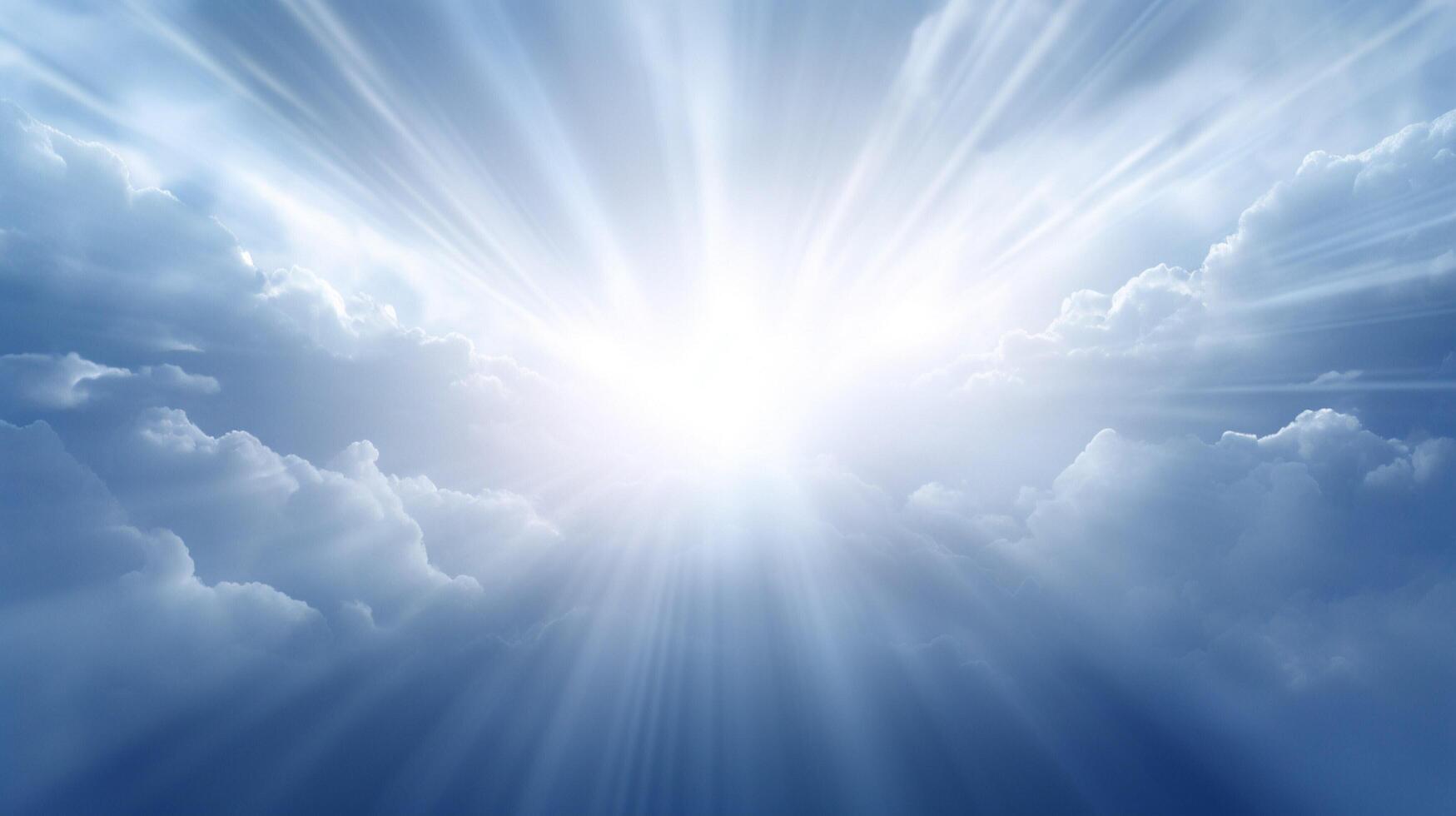
When creating images of heavenly light, several pitfalls can detract from the intended effect, including overuse of light effects, neglect of composition principles, and failure to consider the emotional and symbolic impact of the image. To avoid these mistakes, it's essential to approach the creative process with a clear vision, a deep understanding of light's role in the composition, and a willingness to experiment and refine. Workflow tips include starting with a strong concept, using reference images to guide the creative process, and iteratively refining the work to achieve the desired balance of light and shadow.
Conclusion
Images of heavenly light are a testament to human creativity, spirituality, and the enduring quest for meaning and connection.
Whether in art, religion, or our personal lives, these images have the power to inspire, to comfort, and to transform. As we continue to explore the potential of light in our expressions and experiences, we are reminded of the infinite possibilities that lie at the intersection of the human and the divine.
FAQs
- What is the symbolic meaning of heavenly light in different cultures?
- Heavenly light often symbolizes the divine, wisdom, and spiritual illumination, with consistent themes across cultures.
- How can I use light in my artwork to convey heavenly themes?
- Use light to create contrast, lead the viewer's gaze, and emphasize subjects or themes, drawing inspiration from religious and spiritual practices.
- What software is best for creating digital images of heavenly light?
- Adobe Photoshop and Blender are popular choices for creating and editing images and 3D models of heavenly light.
- Can heavenly light images be used in therapeutic settings?
- Yes, the calming and uplifting effects of heavenly light images can be beneficial in therapeutic environments, promoting relaxation and spiritual well-being.
- How do artists balance light and shadow in their compositions?
- Artists use a variety of techniques, including contrast, layering, and the manipulation of light sources, to achieve a balanced and visually appealing composition.
- What role does natural light play in architectural design?
- Natural light can significantly enhance the ambiance, functionality, and sustainability of buildings, and its incorporation is a key consideration in modern architectural design.
- Can heavenly light images be used in digital interfaces?
- Yes, the strategic use of light effects and animations in digital design can communicate brand values, guide user interaction, and create engaging experiences.